


AEROSPACE
Keeping your organisation airworthy
Modern aircraft rely on interconnected, networked systems for everything from navigation and communication to fly-by-wire controls.
A successful cyberattack could potentially disrupt or hijack flight controls, leading to catastrophic loss of life and equipment. Furthermore, attacks on Air Traffic Management (ATM) systems could ground entire fleets, causing massive global travel disruption.


On top of that, aerospace companies are prime targets for corporate cyberespionage. They are in position of cutting-edge technologies including designs for engines, missiles, and next-generation aircraft. The theft of this data by nation-state actors or competitors would result in billions of euros in losses and in some cases compromise a country’s defence. The vast, global supply chain is also a major vulnerability, as a breach in a smaller supplier can be used as a backdoor into major manufacturers.
Ignoring these risks means facing severe consequences, including hefty regulatory fines and crippling reputational damage following a public breach. Ultimately, a robust cybersecurity policy isn’t a cost but a fundamental safety mechanism essential for maintaining trust and operational integrity in the skies.
Keeping you behind the wheel
The automotive industry critically needs cybersecurity services due to the rapid integration of advanced, connected technologies into modern vehicles.
Modern vehicles are essentially computers on wheels, relying on complex software for everything from engine management to advanced driver-assistance systems (ADAS) and braking. A successful cyberattack could allow a malicious actor to remotely seize control of critical systems like steering or brakes, posing an immediate, catastrophic risk to occupants and pedestrians.
Connected cars collect vast amounts of sensitive data, including location tracking, driving habits, and biometric information. Cybersecurity is essential to protect consumer privacy and comply with stringent regulations (like GDPR) against unauthorized access or theft of this personal data.


Manufacturers face threats to their proprietary data, including software and design blueprints. Furthermore, systems exposed to the internet, such as keyless entry and infotainment, are targets for criminals seeking to steal vehicles or hold systems for ransom.
In short, as cars become software-dependent, cybersecurity shifts from a feature to a fundamental safety requirement for the entire industry.
If you want to discuss how our consultants can help you click here.
Your first line of defence in the cyber battlefield
The defence sector critically requires cybersecurity services as its operations and assets are primary targets for sophisticated adversaries.
Defence organizations handle the most sensitive classified intelligence, military strategies, and advanced weapons designs. A cyber breach could expose national secrets, compromise mission effectiveness, or allow adversaries to steal cutting-edge defence technology.


Modern warfare increasingly relies on complex, interconnected digital systems, including command-and-control networks, unmanned aerial vehicles (UAVs), and communication infrastructure. A cyberattack targeting these operational technology (OT) systems could lead to system malfunction, disruption of logistics, or loss of control during a conflict, directly impacting the safety of personnel and military outcomes.
The vast network of contractors and suppliers that make up the Defence Industrial Base (DIB) provides numerous entry points for attackers. Cybersecurity services are vital to securing this extended supply chain, preventing foreign actors from embedding malware or backdoors into critical defence equipment before it even reaches the military.
In short, robust cybersecurity is a non-negotiable strategic imperative for the defence sector, crucial for maintaining technological superiority and national safety.
Ask how our NATO certified TwelveSec consultants can assist to your cyber defensive strategy.
Keeping your accounts safe, like money in the bank
When you manage the entire world’s wealth you are a critical target for cyberattacks.
Banks, investment firms, and financial instructions in general handle trillions of euros daily, making them the most profitable targets for cybercriminals and nation-state actors. Strong cybersecurity practices are essential to prevent direct or indirect financial theft through wire transfer fraud, ATM skimming, or manipulation of trading platforms.
Financial institutions store enormous volumes of personally identifiable information (PII), including account numbers, social security numbers, and credit histories. Breaches have the tendency to lead to massive identity theft and consumer fraud. Also, non-compliance with global regulations like GDPR or PCI DSS, is bound to end in huge fines and a devastating loss of customer trust.


Furthermore, for the financial institutions that are operating in the EU there is the Digital Operational Resilience Act (AKA DORA) that they need to comply with, if they want to keep doing business within the block.
The global economy relies on the stable operation of financial networks.
Cyberattacks like ransomware or Distributed Denial of Service (DDoS) against core banking systems could cause market instability, disrupt transactions, and paralyze economic activity. Cybersecurity services are therefore a core component of operational resilience and maintaining public confidence in the entire financial system.
If you want a team of seasoned professionals to keep your organisation in black click here.
Keeping your medical record private
You should tell your doctor everything, that’s a sound advice. And also, the reason why the healthcare sector desperately needs strong cybersecurity walls. When you hold exceptionally sensitive and valuable data that makes you a prime target for cyberattacks.
Modern hospitals rely heavily on interconnected devices and systems, from electronic health records (EHRs) to networked medical devices (IoMT). A cyberattack, e.g. ransomware, can disable life-saving equipment, disrupt surgical schedules, or block access to critical patient histories, directly endangering lives and compromising the quality of care.


Healthcare data is extremely valuable on the dark web, often fetching higher prices than financial data. It contains detailed Personally Identifiable Information (PII) and Protected Health Information (PHI), including diagnoses, treatment plans, and insurance details. Strong cybersecurity is mandatory to comply with regulations like HIPAA and prevent massive identity theft, fraud, and severe fines.
Downtime from an attack can cripple hospital operations, leading to huge recovery costs, lost revenue, and significant reputational damage. Comprehensive cybersecurity is therefore a fundamental requirement for operational resilience and maintaining public trust.
Learn how our consultants can help you design a resilient cybersecurity strategy.
LAW ENFORCEMENT AGENCIES
Keeping security agencies secure
If you want to serve the public and maintain public safety and the integrity of the judicial processes in our post-industrial society, then you need cutting edge cybersecurity. Malicious actors are always looking of ways to breach your systems.


Law Enforcement Aagencies handle massive amounts of confidential evidence, intelligence reports, and suspect information. A breach could expose ongoing investigations, compromise sources, destroy evidence, or jeopardize officer safety, allowing criminals to evade justice.
Law enforcement relies on secure communication networks, data sharing platforms, and surveillance systems. Cyberattacks could disrupt emergency response capabilities (like 112 systems), cripple communications during a crisis, or manipulate surveillance data, thereby undermining the ability to protect the public.
The integrity of digital evidence presented in court is paramount. Cybersecurity ensures that records, logs, and evidence chain-of-custody are unaltered and verifiable, upholding the legal process and maintaining public trust in the judicial system. Furthermore, agencies are frequent targets for DDoS attacks or ransomware seeking to disrupt operations or extort funds.
In summary, robust cybersecurity is fundamental to operational effectiveness and the defence of democratic and legal processes.
Our consultants have decades of experience helping major organisations in the field, click here to learn how they can help your organisation.
Keeping your production line operational
The manufacturing sector critically requires cybersecurity services because its increasing reliance on connected Operational Technology (OT) makes it a prime target for disruptive attacks.
Modern factories use Industrial Control Systems (ICS) and the Industrial Internet of Things (IIoT) to automate production. A successful cyberattack, especially ransomware, can halt production lines, damage expensive machinery, corrupt batch quality, and severely disrupt global supply chains, leading to massive financial losses and delivery failures.


Manufacturers hold highly valuable and proprietary blueprints, formulas, and process designs. These assets are sought after by competitors and nation-state actors for industrial espionage. Cybersecurity protects said data from theft, which could erode competitive advantage and compromise years of research and development.
Cybersecurity protects against attacks that could maliciously manipulate industrial processes, such as altering pressure settings or speed controls, which could create hazardous environments and directly endanger workers. More often than not, just locking out the user that a SCADA systems is using, is enough to be bring the whole production to a stop for several days.
In short, for the manufacturing sector, cybersecurity is fundamental to maintaining operational continuity, protecting innovation, and ensuring safety.
Contact us so we can secure your operations.
MARITIME
Protecting you from Cyber Pirates is our job
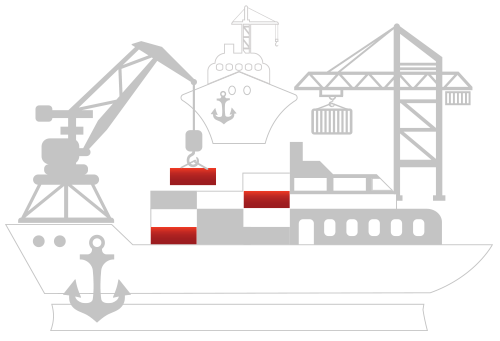
Organisations in the maritime sector require cybersecurity services due to their increasing digitalization and connectivity, which exposes critical systems to significant and rapidly growing cyber threats. Since the maritime industry underpins 90% of global trade, disruptions have massive economic, safety, and environmental consequences.
Protecting Safety and Operations: Modern vessels and ports use Operational Technology (OT) for critical functions like navigation (GPS, ECDIS), propulsion, and cargo handling. A successful cyberattack, such as spoofing or malware, could manipulate these systems, leading to collisions, groundings, environmental disasters, or fatal accidents.
Global Economic Impact: The maritime industry transports roughly 90% of the world’s goods. Attacks like ransomware can shut down port terminals or cripple shipping lines, causing massive supply chain disruptions and substantial global economic losses.


Data and Financial Security: Organisations handle vast amounts of sensitive data—from cargo manifests and ship routes to financial records. Cybersecurity services defend against data breaches, phishing, and financial fraud.
Regulatory Compliance: International mandates, notably from the IMO (International Maritime Organization), require organizations to integrate cyber risk management into their safety management systems. Failure to comply can result in operational restrictions and penalties.
In short, robust cybersecurity is a non-negotiable safety and business continuity measure to protect critical infrastructure, human life, and the global flow of trade.
Click here to see how our consultants can help you.
MARITIME
How can we help you
Information leaflet focused on the maritime sector and the solutions we as Twelvesec can provide to your organisation.
Always happy to do our civic duty
Public organisations globally need cybersecurity services because they are primary targets for malicious actors seeking to disrupt critical functions, steal massive volumes of sensitive data, and undermine public trust.
Protecting Critical Infrastructure: Government agencies, healthcare systems, and utilities manage essential services (e.g., electricity, water, emergency services). Cyberattacks like ransomware or sabotage can incapacitate these services, leading to immediate public safety risks and societal chaos.
Safeguarding Sensitive Data: Public bodies hold citizens’ most confidential data, including health records, tax information, and national security secrets. This high-value data is targeted by financially motivated cybercriminals and nation-state actors for espionage or identity theft.

Maintaining Public Trust: Successful breaches lead to significant financial losses from recovery efforts and erode citizens’ confidence in the government’s ability to operate and secure their information.
Addressing Vulnerabilities: Many public sector entities grapple with outdated technology (legacy systems) and internal skills gaps, making them inherently vulnerable to modern, sophisticated attacks.
Cybersecurity services provide the expertise to manage these complex risks, ensure regulatory compliance, and build the resilience necessary for business continuity in the face of escalating global threats.
Check with our consultants to make certain that your organisation is secure against external threats.
Providing you and your clients peace of mind
The ever-evolving retail industry has now fully embraced the digital age. Technology is as part of the operations of a brick & mortar shop as it is for an e-shop. And because everybody is a potential client, the level of scrutiny from governmental agencies regarding cyber security is constantly increasing. Setting up a cyber security strategy not only protects your organisation by cyber attacks, but most importantly in this digital and interconnected age, helps you maintain your customers’ trust.

Helping you design with security in mind
Software development houses critically need cybersecurity to protect their own intellectual property, ensure client trust, and maintain the integrity of the products they build.
Without robust cybersecurity measures, development houses risk the theft of source code & proprietary algorithms, moreover they might compromise their client’s data, and the injection of malicious code in their own product.


By implementing practices like secure coding standards, continuous vulnerability scanning, and multi-factor authentication, development houses ensure that they deliver secure, reliable products and safeguard both their business operations and their clients’ future. This proactive approach is essential for business continuity and establishing a reputation for trustworthiness in a volatile digital landscape.
Contact us to help you keep your organisation and your clients safe.
Protecting the backbone of our society
Telecommunications organisations absolutely require robust cybersecurity to protect vast networks, ensure continuous service, and safeguard the immense volume of sensitive customer and national data they handle.
A security lapse in a telecom giant can have massive societal and economic consequences. Without stringent cybersecurity measures, they face several critical risks.
Telecoms manage essential national infrastructure. Cyberattacks could cripple critical communication services for businesses, emergency responders, and the public, leading to economic paralysis or even threats to national security. Security ensures network uptime and resilience against denial-of-service (DoS) attacks.


Telecoms possess enormous databases containing customers’ Personally Identifiable Information (PII), call records, location data, and financial details. A single breach can expose millions, resulting in massive regulatory fines (e.g., GDPR, CCPA) and catastrophic reputational damage.
Since they control the flow of information, telecoms are prime targets for nation-states and criminal syndicates looking to intercept sensitive communications for cyberespionage or corporate theft.
By implementing advanced threat detection, network segmentation, and strong supply chain security, telecommunications organisations ensure the integrity and availability of their services, maintaining the trust that society places in them as essential service providers.
If you want to know how TwelveSec can help you implement said measures please click here.
HORECA
Keeping unwanted guests at bay
The HORECA sector is a prime target for cybercriminals due to its reliance on digital platforms and the sheer volume of sensitive customer data processed daily. Cybersecurity services are essential for safeguarding operations, finances, and, most importantly, customer trust.
Tourism businesses—from hotels to booking agencies—handle highly sensitive information, including credit card numbers, passport details, and travel itineraries. A data breach can lead to mass identity theft and financial fraud, exposing the business to severe regulatory fines (like GDPR) and costly lawsuits.


Moreover, modern hospitality relies on interconnected systems (online booking, digital check-in, IoT devices). A successful ransomware attack can cripple operations, locking guests out of rooms or preventing reservations, leading to immediate revenue loss and massive reputational damage. Trust is the currency of tourism; customers will quickly abandon brands that fail to protect their personal information.
Therefore, robust cybersecurity is a business continuity imperative, ensuring secure transactions, protecting critical infrastructure, and maintaining the customer confidence required for sustained success.
Learn how our consultants can help you achieve a high level of security for your organisation.